Winterizing Your Home in Springfield, NJ: A Late-Fall Checklist Before the First Freeze
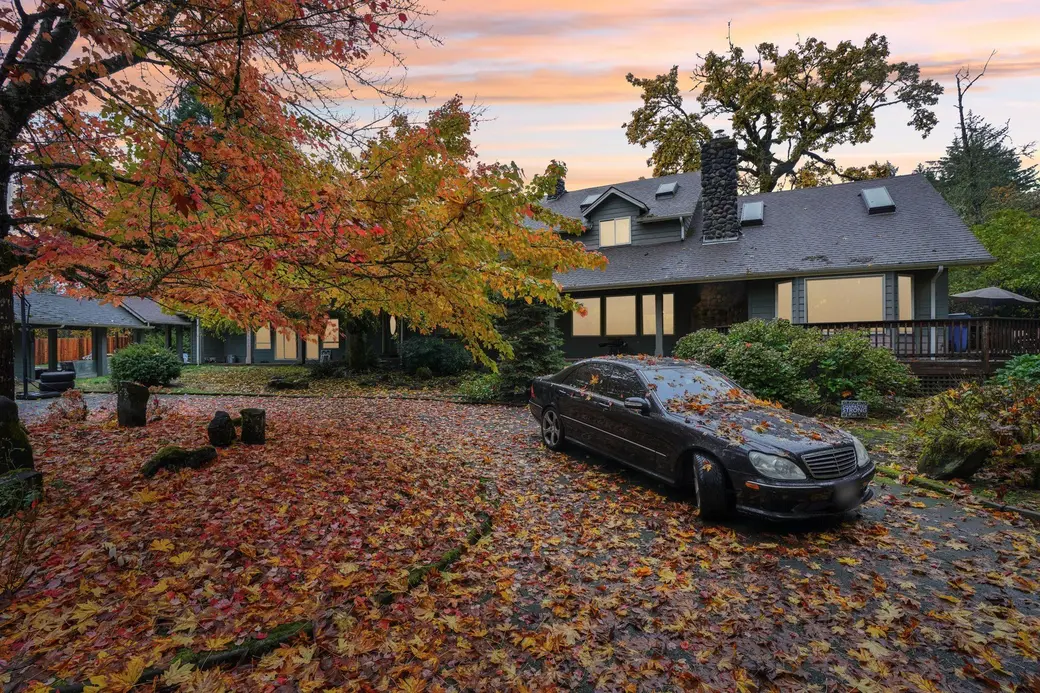
There is a particular quiet to Springfield in late November. The maples have let go, the lawns are tucked in under the last of the leaves, and the first truly cold morning is never far off. In Westfield, Summit, Union, Mountainside, and Millburn and Short Hills, the same rituals begin: hoses coiled away, the furnace humming again, firewood stacked by the back door.
A few unhurried weekends now spare a house a great deal later. Here is the checklist we return to every year.
Outside: water, leaves, and gutters
Shut off and drain the hose bibs. Disconnect every garden hose, drain it, and store it out of the weather. Close the interior shutoff valve that feeds each outdoor faucet, then open the faucet outside so the remaining water can drain, and leave it open for the season.
Have the sprinkler system blown out. Irrigation lines sit shallow and hold water in every low spot. A professional compressed-air blowout, zone by zone, clears them before a hard freeze.
Finish the leaves, and mind the curb rules. In Springfield, the Department of Public Works collects leaves on township roads from November 1 through December 31, canvassing at least twice during the season. Leaves can go to the curb loose or in biodegradable bags, but only leaves: piles mixed with branches, sticks, or other debris cannot be collected. Keep piles clear of storm drains and catch basins; the township's 2026 services brochure asks for at least 10 feet. Homes on Union County roads are served by the county instead, so check the county's schedule if your street is one of them.
Clean the gutters after the last leaves fall. Once the trees are bare, clear the gutters and make sure the downspouts carry water well away from the foundation.
Inside: heat, air, and safety
Service the furnace or boiler, and change the filter. PSE&G recommends having gas appliances checked periodically by a qualified technician. A fresh filter helps the system breathe and run efficiently. Clear lint from the dryer vent, too.
Look up the chimney before the first fire. Have the flue inspected and cleaned if it has been a while, and make sure there is an approved cap or screen on top. PSE&G notes that birds and small animals can nest in uncapped chimneys and vents, which can block safe ventilation.
Test smoke and carbon monoxide alarms. PSE&G advises checking carbon monoxide alarm batteries at least every six months and, following the U.S. Consumer Product Safety Commission, placing alarms throughout the home, with at least one near the bedrooms. Never run a car, snow blower, or other gas engine in an attached garage.
Seal the drafts. Walk the house on a windy evening. Weatherstripping at exterior doors and fresh caulk where window trim meets siding are modest projects that make every room feel calmer.
Check the sump pump. Pour a bucket of water into the pit and confirm the pump starts and discharges freely outside. Springfield reminds residents that sump pumps may not be connected to the sanitary sewer line.
Snow-ready, before the snow
Put shovels, ice melt, and a small broom within reach, and give the snow blower a test run now.
When snow does arrive, PSE&G asks homeowners to keep outdoor furnace and boiler vent pipes clear of snow, and to brush snow away from the gas meter with a broom or by hand rather than a shovel. If you rely on a portable generator, never run it indoors or in a garage, and keep it at least 20 feet from doors, windows, and vents. If you ever smell gas, PSE&G's guidance is to leave the building, move at least 350 feet away, and call 1-800-880-7734 or 911.
Why winter prep matters if you are selling in spring
A house that comes through winter well tells its own story in March. Working gutters, a furnace with a recent service record, and a dry basement are exactly what buyers and inspectors notice.
There is also a practical New Jersey step to keep in mind. Before a one- or two-family home is sold, the owner must obtain a certificate of smoke alarm and carbon monoxide alarm compliance from the local enforcing agency. Battery-powered smoke alarms must be the ten-year sealed type, and hardwired systems cannot be swapped for battery-only units. If a spring move is on your mind, a local home valuation is a calm place to begin the conversation.
When should I winterize my outdoor faucets and sprinklers in New Jersey?
Before the first hard freeze, rather than after. Once water is trapped in a pipe and freezes, the damage may already be done.
When does leaf collection end in Springfield, NJ?
On township roads, curbside leaf collection runs through December 31. Homes on Union County roads follow the county's schedule, so it is worth confirming which applies to your street.
Do I need to replace my smoke alarms before selling a home in New Jersey?
Not necessarily, but they must pass the compliance inspection required before a sale. Battery-only alarms need to be the ten-year sealed type, and any alarm past its service life should be replaced. Your local fire official can confirm the details for your town.
What winter maintenance matters most to buyers in the spring?
A dry basement, working gutters, a serviced heating system, and current safety alarms. Quiet details, but they make a house feel cared for.
We hope your home stays warm, dry, and ready for whatever the season brings.
Wolf Premier Group | Compass
Recent Posts